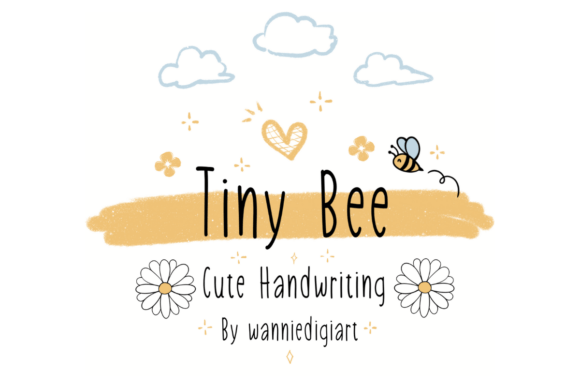
Tiny Bee Font: Whimsical Typography for Editorial Design
Tiny Bee is a handwritten typeface that adds a playful and vibrant energy to any editorial project. Its lively curves and bold strokes make it ideal for creating visual interest in headings, covers, and graphic elements. As part of the Script Amp collection, Tiny Bee offers a unique blend of creativity and readability, making it a valuable addition to any designer’s font library.
Designed with a casual yet polished aesthetic, Tiny Bee brings a sense of warmth and approachability to text. Its organic shape and subtle variations give it a handcrafted feel, perfect for projects that aim to feel personal and engaging. Whether used in a blog header or a printable guide, Tiny Bee enhances the visual tone of content while maintaining legibility across different formats.
Using Tiny Bee in Editorial Layouts
In editorial design, Tiny Bee excels as a display font for titles, subheadings, and pull quotes. Its expressive style draws attention without overwhelming the reader, making it an excellent choice for magazine covers, ebook chapter openers, and newsletter banners. When paired with a clean serif or sans serif font for body copy, Tiny Bee creates a balanced and professional layout that supports both aesthetics and readability.
For example, a lifestyle blog might use Tiny Bee for post titles and section headers to create a cohesive, inviting look. A recipe ebook could feature Tiny Bee in its title and chapter headings, reinforcing a friendly and approachable brand identity. Similarly, a wedding guide might incorporate Tiny Bee into cover graphics and key phrases to evoke a sense of celebration and joy.
Enhancing Reader Engagement with Tiny Bee
Reader engagement often hinges on visual appeal, and Tiny Bee helps create a more dynamic reading experience. Its whimsical character encourages a sense of fun and creativity, which can be especially effective in content targeting younger audiences or niche markets. Whether used in a digital magazine or a printable planner, Tiny Bee adds personality and memorability to the design.
When used in quote graphics or social media posts, Tiny Bee transforms static text into eye-catching visuals. It works well for lead magnets, worksheets, and other downloadable content, where a strong visual presence can increase user interaction. For a coaching workbook, Tiny Bee might appear in motivational headings or key takeaways, reinforcing the message and encouraging action.
Considerations for Readability and Formatting
While Tiny Bee is highly readable at larger sizes, it’s best suited for short-form text such as headings, captions, and accents rather than long paragraphs. On screens, mobile devices, and printed materials, it maintains clarity without sacrificing style. When exporting to PDF or using in print, ensure the font is embedded properly to preserve its visual integrity.
Designers should also consider how Tiny Bee interacts with other fonts in a layout. Pairing it with a complementary serif or sans serif font can enhance contrast and improve overall readability. For instance, a modern typography project might combine Tiny Bee with a minimalist sans serif for captions and navigation elements, creating a clean and structured composition.
Practical Applications for Content Creators
Content creators across various platforms can benefit from integrating Tiny Bee into their design workflow. In a digital magazine, it can be used for article titles, section dividers, and featured quotes. For a printable planner, Tiny Bee might appear in monthly themes or daily affirmations, adding a touch of personality to each page.
For a creator newsletter, Tiny Bee can elevate the header, subject line, and callout boxes, making the content more visually appealing and easier to scan. In packaging design or social media graphics, it adds a distinctive flair that aligns with a brand’s creative vision. Its versatility makes it suitable for both personal and commercial projects.
Commercial Licensing and Font Pairing
Before using Tiny Bee in commercial projects, verify the licensing terms to ensure compliance with font usage policies. This includes ebooks, templates, printables, paid newsletters, client publications, and digital downloads. Proper licensing guarantees legal protection and allows for seamless integration into various design applications.
When selecting font pairings, consider the mood and purpose of the content. A premium font like Tiny Bee pairs well with a classic serif for body text, offering a timeless and elegant look. Alternatively, combining it with a modern sans serif can create a fresh and contemporary aesthetic. Experimenting with ligatures, alternates, and multilingual support can further enhance the typographic experience.
Whether used in a digital magazine, a printable worksheet, or a branding project, Tiny Bee brings a unique energy to editorial design. Its expressive style and functional appeal make it a go-to choice for designers seeking to add a touch of personality to their work. With thoughtful application, Tiny Bee can elevate content and engage readers in a meaningful way.