Pig Skin Font for Bold Web Design
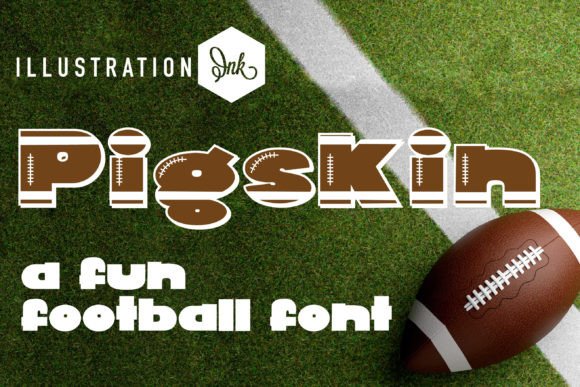
Working on a boutique online store project, I needed a font that could bring energy and personality to the homepage. Pig Skin, a bold, sans-serif typeface with a playful, sporty feel, stood out as the perfect choice. Its design echoes the vibe of American footballs, making it ideal for brands looking to add a fun and dynamic touch to their digital presence.
The first time I tested Pig Skin in a hero section, it immediately caught my eye. The letterforms have a confident, almost rebellious edge that works well for headlines and call-to-action buttons. It’s not subtle, but that’s exactly what makes it effective for designs that need to stand out without being overwhelming.
Visual Characteristics and Digital Appeal
Pig Skin has a strong visual identity. Its thick strokes and slightly irregular shapes give it a handcrafted, energetic look. This makes it great for logos, banners, and other decorative elements where a unique style is needed. At the same time, its clean structure ensures it doesn’t become too chaotic or hard to read.
When used in web design, Pig Skin adds a sense of movement and playfulness. It’s especially effective when paired with minimalist layouts or bold color schemes. The font’s character makes it suitable for creative portfolios, coaching websites, and product landing pages that want to communicate energy and innovation.
Use Cases for Pig Skin
I’ve seen Pig Skin shine in various contexts. On a course sales page, it worked well as a headline, drawing attention to key benefits and calls to action. In a blog header, it added a fresh, modern tone that complemented the content without competing with it.
For an online shop, Pig Skin was used in banner text to highlight seasonal promotions. Its boldness made it easy to read from a distance, which is essential for mobile users scrolling through content quickly. It also paired well with a simple sans-serif font for body copy, creating a clear visual hierarchy.
On a coaching website, Pig Skin was used for section headings and button text. The font’s sporty feel aligned with the brand’s energetic messaging, reinforcing the idea of growth and performance.
Readability and User Experience
While Pig Skin is a decorative typeface, it maintains good readability at larger sizes. However, it’s not the best choice for long paragraphs. When using it for body text, I recommend limiting it to short phrases or headlines where its visual impact can be fully appreciated.
On mobile screens, Pig Skin holds up well, especially when used in headers or buttons. But I always test it against different background colors. On dark backgrounds, it remains legible, but on light ones, it may require some spacing adjustments to avoid appearing too heavy.
When placed over images or video backgrounds, Pig Skin benefits from a semi-transparent overlay or a contrasting color. This ensures the text remains visible without clashing with the visuals.
Font Pairing and Design Balance
Pairing Pig Skin with simpler fonts helps maintain balance. A clean, neutral sans-serif like Open Sans or Lato works well for body text, allowing Pig Skin to take center stage in headlines and accents. For a more editorial feel, pairing it with a serif font like Georgia or Merriweather can create a refined contrast.
For digital ads or social media graphics, Pig Skin adds a punchy, memorable quality. It’s also useful for packaging design or promotional materials where a strong visual identity is needed.
Practical Considerations for Web Use
Before implementing Pig Skin on a website, it’s important to check the available styles, weights, and language support. Some decorative fonts may not include all necessary glyphs, which can affect usability in multilingual projects.
Webfont availability is another factor. Make sure the font is properly licensed for commercial use, especially if you’re working on client projects or e-commerce sites. File formats like WOFF and WOFF2 are standard for web use, ensuring fast loading and cross-browser compatibility.
Testing Pig Skin in responsive layouts is crucial. Ensure it scales well on different screen sizes and maintains clarity in small text areas like buttons or navigation menus. If needed, adjust line height or letter spacing to improve readability.
Overall, Pig Skin is a versatile tool for web designers and digital creators. Its bold, playful style brings a fresh energy to any project, making it a valuable addition to a designer’s toolkit.
Whether you're building a creative portfolio, launching a coaching site, or designing a product landing page, Pig Skin offers a unique way to express your brand’s personality while maintaining a professional and engaging user experience.